
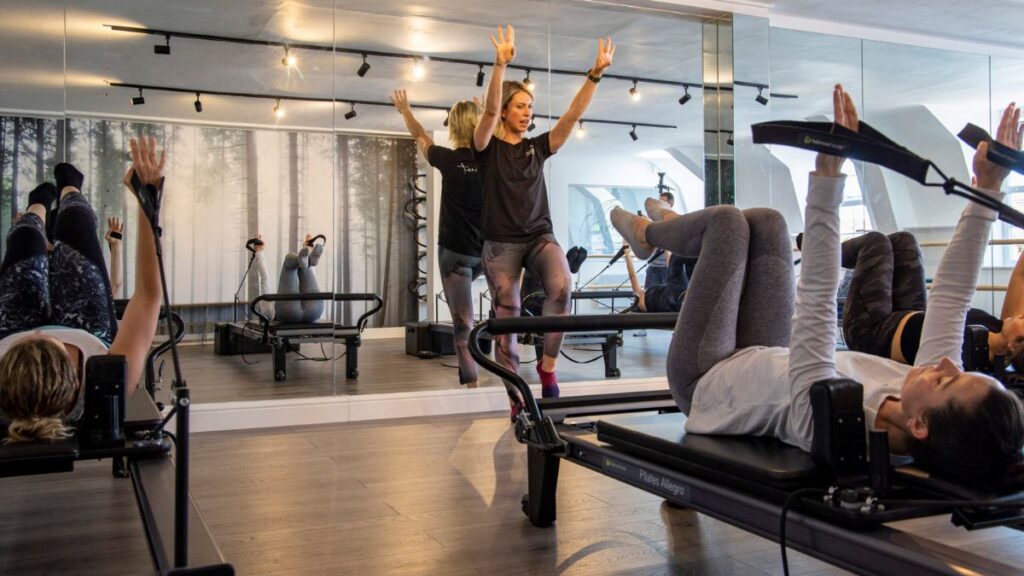
Pilates is more than a series of exercises—it is a movement philosophy that emphasizes control, alignment, and mindful awareness. One of the most defining aspects of Pilates is flow, the seamless connection between breath and movement. When practiced correctly, Pilates flow transforms workouts into highly effective, efficient, and restorative training sessions.
For fitness professionals and enthusiasts alike, understanding how to connect breathing patterns with purposeful movement is key to achieving maximum results. This is why formal education in Pilates methodology, such as professional certification programs, plays a vital role in delivering authentic and safe Pilates instruction.
Understanding Pilates Flow
Pilates flow refers to the smooth, continuous transition from one movement to the next, guided by controlled breathing. Rather than performing isolated exercises with pauses, Pilates encourages fluidity, rhythm, and intentional motion.
Flow helps the body move as a unified system, improving coordination, efficiency, and overall movement quality. This approach not only enhances physical performance but also creates a calming, meditative workout experience.
The Importance of Breath in Pilates
Breathing is central to Pilates practice. Unlike shallow or uncontrolled breathing often seen in traditional workouts, Pilates emphasizes lateral thoracic breathing, which expands the ribcage while maintaining core engagement.
Benefits of Proper Breathing in Pilates
- Enhances oxygen delivery to muscles
- Supports core stabilization
- Improves endurance and focus
- Reduces tension in the neck and shoulders
- Promotes relaxation and stress reduction
When breath and movement are synchronized, exercises become more effective and sustainable.
How Breath and Movement Work Together
In Pilates, breath is not an afterthought—it is an active tool. Typically:
- Inhale to prepare or lengthen
- Exhale to engage the core and execute movement
This coordinated pattern helps activate deep stabilizing muscles, especially the transverse abdominis, which supports the spine and improves control.
The Role of Flow in Achieving Maximum Results
Flow enhances results by:
- Increasing time under muscular tension
- Improving neuromuscular coordination
- Encouraging efficient movement patterns
- Reducing injury risk through controlled transitions
Rather than focusing on speed or repetitions, Pilates flow emphasizes quality and consistency, leading to long-term improvements in strength, flexibility, and posture.
The Six Pilates Principles and Flow
Flow integrates all six classical Pilates principles:
1. Breath
Controlled breathing supports rhythm and focus.
2. Centering
All movement originates from the core, creating stability.
3. Concentration
Mindful awareness ensures precise execution.
4. Control
Movements are deliberate, not rushed or forced.
5. Precision
Each exercise is performed with intention and alignment.
6. Flow
Smooth transitions create a cohesive, dynamic practice.
Together, these principles form the foundation of effective Pilates training.
Physical Benefits of Pilates Flow
Improved Core Strength
Continuous movement challenges deep stabilizing muscles more effectively than static holds.
Enhanced Flexibility and Mobility
Flowing transitions gently lengthen muscles while maintaining strength.
Better Posture and Alignment
Pilates flow promotes balanced muscle development and spinal awareness.
Increased Endurance
Rhythmic breathing supports sustained effort without excessive fatigue.
Mental and Emotional Benefits
Pilates flow also supports mental well-being by:
- Reducing stress and anxiety
- Improving focus and body awareness
- Encouraging mindfulness and relaxation
- Enhancing mind-body connection
This holistic approach makes Pilates appealing to individuals seeking both physical and mental balance.
Applying Pilates Flow in Different Training Settings
Pilates flow can be integrated into:
- Mat Pilates classes
- Reformer and equipment-based sessions
- Personal training programs
- Group fitness classes
- Athletic conditioning routines
Even non-Pilates workouts benefit from flow-based movement and breath awareness.
Common Mistakes That Disrupt Pilates Flow
To maintain effective flow, instructors must avoid:
- Holding breath during exertion
- Rushing through movements
- Overloading resistance
- Sacrificing form for speed
- Ignoring transitions between exercises
Proper training helps instructors recognize and correct these issues.
Why Professional Pilates Education Matters
Teaching Pilates flow requires more than memorizing exercises—it demands a deep understanding of anatomy, biomechanics, and breathing mechanics. Without proper education, the essence of Pilates can be lost.
A professional Pilates certification provides:
- In-depth knowledge of breath mechanics
- Training in movement sequencing
- Safe modifications for all fitness levels
- Injury prevention strategies
- Confidence to cue effectively
The www.americansportandfitness.com/products/pilates-certification equips fitness professionals with the skills needed to teach authentic Pilates flow safely and effectively.
Who Benefits Most from Pilates Flow
Pilates flow is suitable for:
- Beginners learning movement awareness
- Athletes seeking improved performance
- Seniors needing low-impact exercise
- Individuals recovering from injury (with clearance)
- Clients managing stress or chronic tension
Its adaptability makes it accessible and effective for diverse populations.
Pilates Flow and Long-Term Fitness Success
Unlike high-impact workouts that can lead to burnout or injury, Pilates flow supports sustainable fitness. It encourages consistency, body awareness, and gradual progression—key elements for lifelong health.
Fitness professionals who incorporate Pilates flow into their programs often see improved client satisfaction, retention, and results.
The Growing Demand for Pilates Professionals
As wellness trends shift toward mindful movement and functional training, demand for Pilates-trained instructors continues to rise. Studios, gyms, and online platforms are actively seeking professionals who understand breath-led movement and flow-based programming.
Certification enhances credibility and opens doors to new career opportunities in the fitness industry.
Conclusion
Pilates flow is the bridge between breath and movement, transforming exercise into a purposeful, effective, and restorative practice. By mastering this connection, individuals experience stronger cores, improved posture, greater flexibility, and enhanced mental clarity.
For fitness professionals, learning to teach Pilates flow correctly requires comprehensive education and hands-on knowledge. A professional Pilates certification provides the foundation needed to guide clients toward maximum results through mindful movement.