
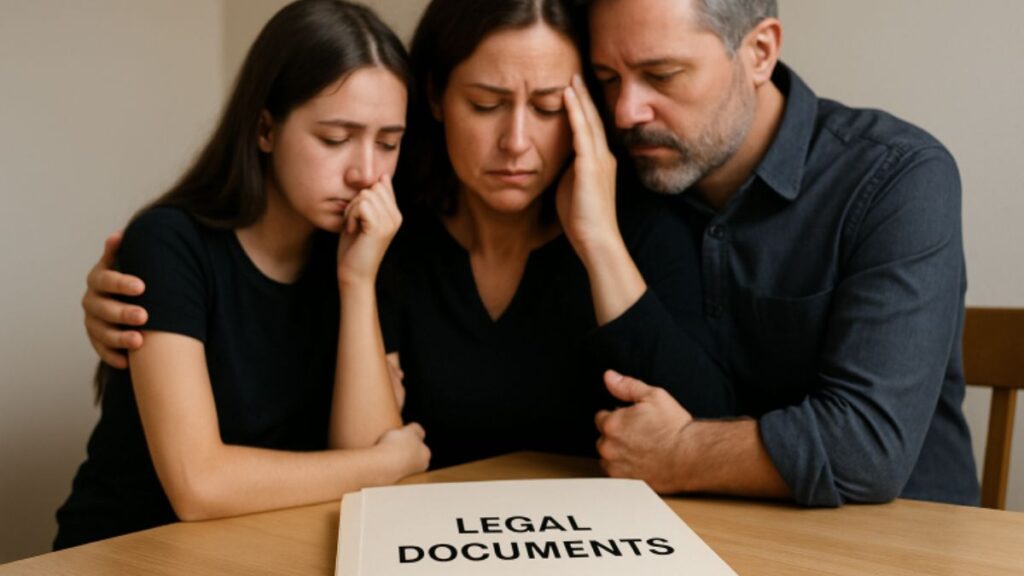
Losing a loved one unexpectedly forces families into deep grief while they must simultaneously make critical legal and financial decisions. The way a family navigates this difficult time is often influenced by legal actions, both in and out of court. Understanding the interplay between the grieving process and legal matters is crucial for families to protect their rights and well-being. If you find yourself in this situation, consulting with a dedicated wrongful death attorney Tampa, FL can provide the guidance and support needed to handle complex claims after a tragic loss.
Legal concerns may arise suddenly, adding additional stress at an already sensitive time. Many families are unfamiliar with their rights surrounding wrongful death or estate matters until circumstances force them to take action, making it essential to learn what legal pathways exist and how they may impact grief and family relationships.
Recognizing the role of legal options is empowering but can also bring up emotional and psychological hurdles that affect the entire family. Lawsuits, insurance claims, or disputes over estates may stir up old resentments or force families to recall traumatic events. Balancing legal pursuits with the need for emotional healing is key—navigating these issues carefully can provide both accountability and a path forward.
With the evolving legal landscape and changing legislation, the effects on grieving families are significant and ongoing. Laws regarding wrongful death, inheritance, and compensatory damages determine the amount of assistance families receive and the pace at which legal matters are resolved.
Understanding Wrongful Death Claims
A wrongful death claim is a civil lawsuit that arises when the negligence, recklessness, or intentional actions of another party caused an individual’s death. Surviving family members may seek compensation for lost income, funeral costs, pain and suffering, and loss of companionship. The laws governing these claims vary by state, including who is eligible to file and what damages are permitted. Legal requirements can be complex, and pursuing justice often requires gathering evidence and expert testimony, which can be an emotionally challenging undertaking for grieving families.
Emotional Impact of Legal Proceedings
Engaging in legal action during mourning frequently intensifies feelings of loss, stress, and anxiety. Attending court hearings or giving testimony may force families to relive traumatic experiences associated with their loved one’s passing. The time-consuming nature of lawsuits and investigations can prolong the period of emotional upheaval, sometimes straining family relationships. Counseling or therapy can be invaluable, helping individuals manage the dual burdens of grief and litigation as they move through these stages. For additional guidance, the Psychology Today grief resource offers helpful tools to support emotional well-being.
Legislative Changes Affecting Grieving Families
Laws affecting compensation for wrongful death and survivor benefits are continually evolving. For example, New York’s proposed Grieving Families Act sought to update wrongful death statutes, providing for emotional suffering damages and expanding eligibility for compensation. Despite its intention to help grieving families, the legislation was vetoed amid concerns about its broader impacts. Such developments highlight how legislative changes may provide greater support to survivors but also introduce new challenges regarding insurance and liability for public entities.
Estate Disputes and Family Dynamics
The death of a family member can reignite latent tensions or unresolved conflicts, especially when inheritance or asset distribution is at stake. Misunderstandings can arise from differing interpretations of wills, confusion about financial arrangements, or long-standing grievances. Grief may exacerbate these conflicts, leading to disputes that can prolong litigation or result in costly legal battles. Open communication, mediation, and consultation with experienced estate attorneys often help minimize discord and maintain family bonds. An in-depth look at the emotional and legal factors involved can be found at Hackard Law.
Role of Legal Professionals in the Grieving Process
Legal professionals guide families through paperwork, court appearances, and negotiations, alleviating the administrative burden during a sensitive time. Compassionate attorneys not only provide technical advice but also serve as steady advocates for the family’s interests and well-being. By clarifying legal processes and explaining potential outcomes, lawyers help families make informed decisions about lawsuits, settlements, and estate management.
Balancing Legal Pursuits with Emotional Healing
Seeking justice or financial compensation after a loved one’s death is a personal decision that should be balanced with self-care and emotional healing. Families should be mindful not to let legal concerns overshadow the importance of grieving and commemorating the deceased. Professional counseling, regular communication, and prioritizing mental health are crucial for healing—regardless of the outcome of legal matters. Building a support network, including friends, counselors, and advocacy organizations, can help families weather both legal and emotional storms.
Resources and Support for Grieving Families
Numerous organizations specialize in assisting individuals who are grieving with both emotional and legal needs. Local counseling services, grief support groups, and national organizations, such as The Compassionate Friends, offer resources for coping with loss. Legal aid services and advocacy groups may also provide support for those facing estate disputes or wrongful death claims. Utilizing these resources can help mitigate the stress of navigating legal and emotional journeys alone.
In conclusion, the experience of losing a loved one is made more complex by the necessity of dealing with legal matters. By understanding their rights, seeking professional help, and caring for their emotional well-being, families can take steps toward healing while feeling secure and supported in their legal decisions.